ISG Vertical Pipeline Centrifugal Pump long-term standby preservation method
Long-term standby preservation for an ISG vertical pipeline centrifugal pump is far more than shutting off power and closing valves, as static idle conditions can create hidden damage that does not appear until the unit is called back into service for an emergency or scheduled restart. Even pumps that sit unused in controlled indoor environments face gradual degradation from residual moisture, static bearing load, and seal face adhesion that can lead to immediate failure on the first attempt to start.
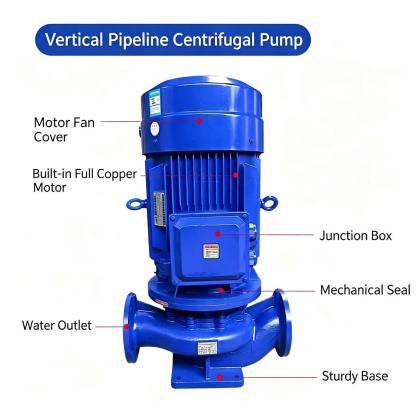
Begin the preservation process by fully evacuating and cleaning every wetted flow path to eliminate the root causes of internal corrosion and component sticking. Open all drain ports at the lowest points of the pump casing, suction piping, and discharge piping to remove every drop of residual process fluid, and leave the drains open long enough for all trapped moisture behind the impeller, inside seal cavities, and in small volute pockets to fully evacuate. Flush the entire internal flow chamber with a neutral, non-corrosive cleaning solution to dissolve built-up sediment, mineral scale, and process residue that would otherwise harden onto metal surfaces and create abrasive deposits during storage. After flushing, circulate dry, low-pressure clean air through the pump for several minutes to blow out all remaining moisture, leaving every internal wetted surface completely dry before applying any protective coating.
Once the pump is fully drained and dried, apply targeted corrosion and mechanical protection to all exposed precision components that are vulnerable to static storage damage. Coat all exposed bare shaft surfaces, impeller outer edges, and machined casing joint faces with a thin, uniform layer of rust-inhibiting preservative oil, taking care to cover every area that is not protected by factory paint. Apply a small amount of compatible lubricating grease across the mechanical seal faces to prevent the two precision-machined surfaces from sticking together over months of zero movement, which would tear the seal faces apart the first time the shaft rotates. Install rigid protective caps over the exposed shaft extension and all open piping flanges, to block dust, dirt, and airborne contaminants from entering the pump and scratching machined surfaces or clogging small flow passages.
Establish a regular, low-effort periodic inspection and maintenance schedule to keep the pump in ready condition for the full duration of its standby period. Manually rotate the full rotor assembly through three complete full turns at least once every 30 days, stopping at a different angular position each time to ensure the bearing rolling elements do not sit under constant static load in one single spot, which can cause permanent indentation and premature bearing failure. Check the storage environment each month to confirm ambient temperature stays within a stable range, no unexpected water leakage or condensation has reached the pump, and the protective covers and wrap remain fully intact and undamaged. Take a quick insulation resistance reading on the motor windings every 60 days, and log the measured value to track any gradual drop that signals moisture ingress, so you can address the issue with targeted drying long before it causes an electrical fault on startup.
When the standby period ends and the pump is scheduled for return to service, remove all preservative oil from seal faces and critical flow paths, reconfirm all drain ports are closed, and perform a full pre-start check before introducing process fluid. This field-validated preservation routine prevents nearly all common long-term storage failures, keeps the pump ready for immediate reliable operation at any time, and preserves the full service life of every precision component across extended idle periods.
Recommend
-

-

QQ Zone
-

Sina Weibo
-

Renren.com
-

Douban