ISG Vertical Pipeline Centrifugal Pump impeller wear inspection standard
Impeller wear on an ISG vertical pipeline centrifugal pump often develops slowly over thousands of operating hours, and many field technicians miss early signs of damage because they rely only on visual checks instead of consistent, measurement-backed inspections. Even minor, seemingly insignificant wear on impeller vanes or sealing surfaces can cause steady drops in efficiency, rising vibration levels, and unexpected performance drift that eventually leads to unplanned downtime.
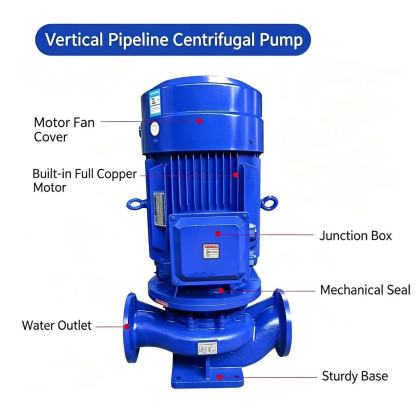
Start every formal impeller wear inspection with full disassembly safety and pre-measurement preparation that eliminates avoidable errors in your final assessment. Follow full lockout and tagout procedures for all connected electrical power, then drain and isolate the pump completely to ensure no residual pressure or trapped fluid remains inside the casing before you begin opening joints. Clean the entire exposed impeller surface thoroughly with a non-abrasive brush and mild compatible cleaning solution, to remove built-up scale, process residue, and biological fouling that could hide pitting, erosion, or dimensional loss that would otherwise go unnoticed. Wipe all reference measurement points dry with a lint-free cloth, and gather all required precision tools including calibrated vernier calipers, a dial indicator, and depth gauges, confirming each instrument is zeroed against a known reference standard before taking any readings.
Move next to inspect and measure the impeller’s critical sealing diameter and running clearance, the most direct and reliable indicator of functional wear that impacts pump performance. Measure the outer diameter of the impeller’s sealing skirt at multiple equally spaced points around its full circumference, and compare these values against the original as-built dimensions to calculate total material loss from abrasive contact or fluid erosion. Then measure the gap between the impeller sealing face and the casing wear ring at four separate 90-degree intervals, to confirm no uneven wear has created a tilted or eccentric clearance condition that would trigger internal recirculation and rising vibration. Document every clearance reading clearly, and note any reading that exceeds the original new-part value by more than 0.5 millimeters, as this threshold marks the point where internal leakage begins to noticeably reduce pump head and overall operating efficiency.
After completing clearance measurements, perform a full visual and dimensional check of the impeller vanes and flow path surfaces that directly control hydraulic performance. Inspect every individual vane face, leading edge, and trailing edge for signs of cavitation pitting, abrasive erosion, or localized material loss, paying extra attention to the low-pressure side of each vane where bubble collapse damage tends to concentrate first. Check for small cracks, chips, or deformation near the vane tips and the impeller hub, especially on units that have experienced frequent hydraulic shocks or repeated rapid start-stop cycles, since these areas are subject to the highest cyclic stress during normal operation. Use a straight edge laid across the vane outlet profile to check for uneven erosion that has distorted the original hydraulic geometry, as even a small deviation from the designed vane shape will disrupt flow patterns, reduce output, and increase overall system power draw.
Once all inspection and measurement work is complete, log every dimension, observed defect, and calculated wear value into the pump’s permanent equipment service record for future trend tracking. Compare the latest readings against previous inspection data to calculate the average wear rate per thousand operating hours, which lets you accurately forecast the remaining service life of the impeller and schedule replacement during a planned maintenance window long before performance drops to unacceptable levels. This structured, measurement-focused inspection routine aligns with widely accepted industrial pump maintenance best practice, avoids unnecessary impeller replacement, and ensures the pump consistently delivers its designed hydraulic performance across its full operating lifecycle.
Recommend
-

-

QQ Zone
-

Sina Weibo
-

Renren.com
-

Douban